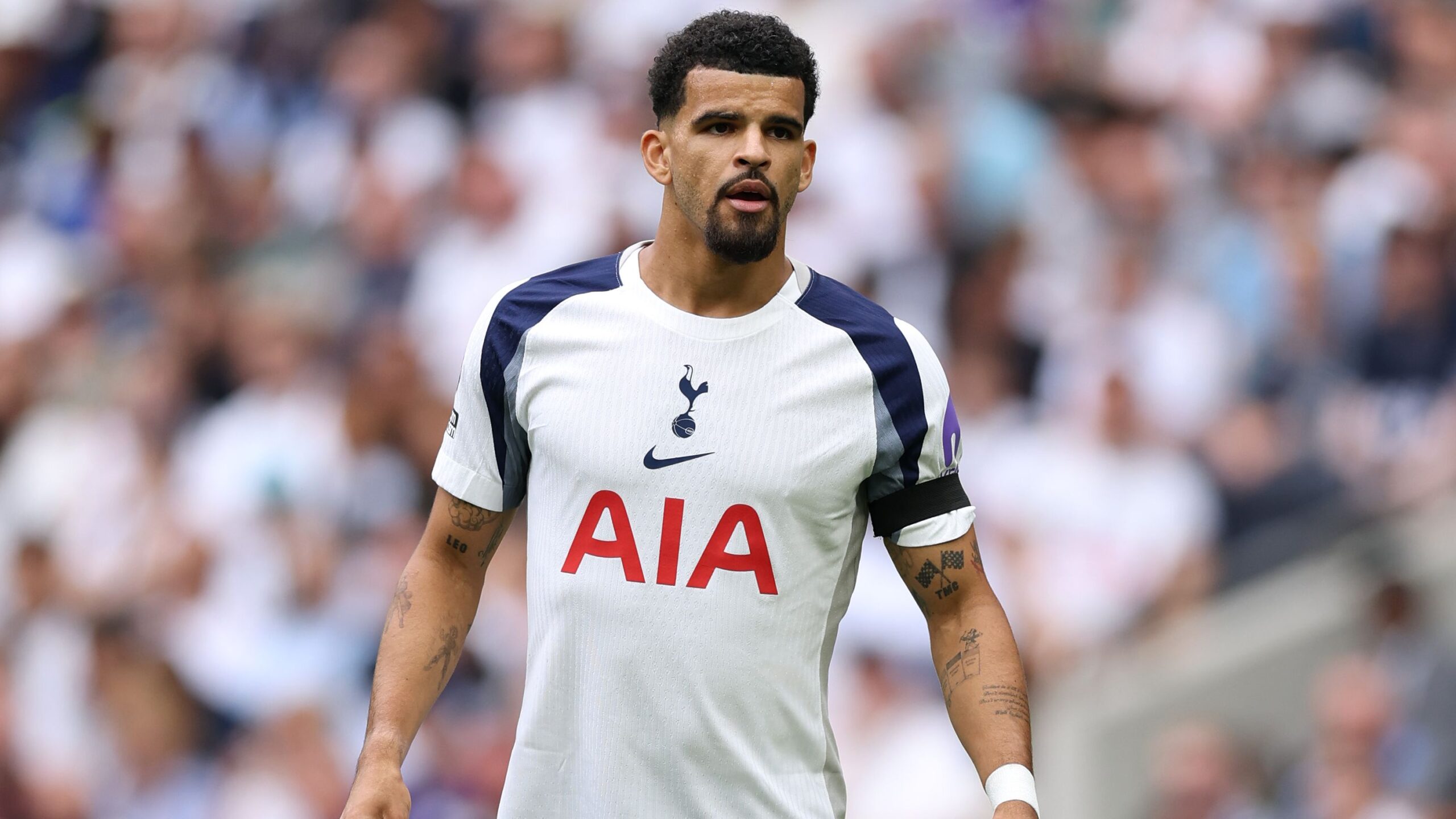


Dominic Solanke’s Tough Road to Recovery at Tottenham
As Dominic Solanke navigates his ongoing challenges with Tottenham, the forward’s determination shines through despite setbacks, highlighting the team’s resilience under new leadership and their pursuit of success in key matches ahead.
Tottenham’s Current Form and Key Absences
The north London outfit has noticeably felt the void left by their main attacker as they adapt to Thomas Frank’s strategies. Upcoming fixtures include a heated local rivalry at the Emirates against Arsenal this weekend, followed by a high-stakes Champions League encounter with Paris Saint-Germain in France shortly after.
Currently positioned fifth in the Premier League standings after the first 11 matches, Tottenham has drawn scrutiny for their poor performances on home turf. In fact, only Wolves have struggled more in their own stadium, while Frank’s team has excelled remarkably on the road this campaign.
As the Europa League title holders, Tottenham has managed to score 19 goals throughout the 2025-26 season, but leading scorer Richarlison has only four to his credit. The Brazilian forward has added just two goals since his initial double against Burnley at the start of the season, including one that glanced off his head from a late Wilson Odobert attempt in the match versus Manchester United prior to the international window.
Solanke’s Injury Timeline and Recovery Journey
Due to his persistent ankle problem, Solanke will miss the upcoming games against both Arsenal and PSG, though Frank had earlier downplayed the severity. “It’s merely a tricky ankle setback-nothing major-and we’re optimistic about a swift turnaround,” the coach remarked before the September draw with Wolves. Following a minor operation shortly thereafter, Solanke is gradually working his way back to peak condition.
In his conversation with The Athletic, Solanke shared: “This has been incredibly tough. Initially, I assumed it wouldn’t keep me sidelined for long, but we underestimated how serious it was. I pushed hard to return quickly, yet it didn’t pan out, leading to the need for an operation. Now, I’m focused on my rehabilitation every step of the way.”
“I’m avoiding any specific deadlines since I’ve been promising a quick comeback for months now. Instead, I’m concentrating on each day, hoping to rejoin the squad without much more delay.”
Other Tottenham Players Facing Injury Woes
At 28, Solanke isn’t alone in the treatment room; midfielders James Maddison and Dejan Kulusevski are also out long-term due to knee issues. Additionally, the recently loaned striker Randal Kolo Muani, brought in from PSG, is currently unavailable after sustaining a broken jaw in the recent clash with Manchester United.
Seeking intelligent football wagering options? Access professional analyses, evidence-based forecasts, and valuable tips through BALLGM Tips on Telegram. Become part of our expanding network today!
Building Chemistry with New Manager Thomas Frank
Because of his injury, Solanke has had limited opportunities to collaborate with Frank, who stepped in from Brentford to take over at Tottenham Hotspur Stadium after the summer.
“I haven’t gotten to work with him extensively, but Frank excels at handling the team,” Solanke noted about the head coach. “The whole squad enjoys his presence; he communicates regularly and holds daily sessions. The new coaching team he’s assembled has created a harmonious atmosphere where everyone meshes well.”
“We’ve kicked off the season on a positive note. Once several of us recover and bolster the lineup, I’m confident we can achieve significant milestones.”
Solanke’s Ambitions and Reflections on Past Triumphs
The England star, who transferred to Tottenham from Bournemouth in 2024, confessed that his main motivation for joining was to chase major honors. He played a pivotal role in the club’s first trophy win in 17 years, clinching the Europa League in Bilbao earlier this year.
Recalling the decisive moment in the Europa League final against Manchester United in May, Solanke said: “When they took a goal kick, I checked with the referee about the status, and he confirmed it was over. As their goalkeeper booted the ball, I thought, ‘We’ve actually pulled it off.’ The joy was overwhelming, especially seeing Sonny (Son Heung-min), who’s been with the club for years, finally celebrate that victory-I rushed to congratulate him. Then, I made sure to share that special moment with my family, who’ve supported me through thick and thin.”
“That remains the most exhilarating experience of my career. Even now, as the new season unfolds, I find myself revisiting it because I crave that thrill again. In football, trophies aren’t guaranteed, so when you finally claim one, the emotion is indescribable.”
Upcoming Challenges for Tottenham in 2025
With a demanding schedule on the horizon, Tottenham aims to cap off a turbulent 2025 with strong results. After facing Arsenal and PSG away, they’ll host Fulham later this month in an effort to turn around their disappointing home form.
Frank’s squad will begin December with an away fixture at Newcastle, followed by encounters with Brentford, Slavia Prague, Nottingham Forest, Liverpool, and Crystal Palace to wrap up the year.
The Challenges Dominic Solanke Faces in His Tottenham Injury Recovery
Understanding Dominic Solanke’s Injury Setback
Dominic Solanke, the dynamic forward now at Tottenham Hotspur, has been navigating a tough period following a recent injury that sidelined him from the pitch. Injury recovery in professional football is never straightforward, and Solanke’s experience highlights the physical and mental hurdles athletes face. As he opens up about his rehabilitation process, it’s clear that the striker is taking a cautious approach, emphasizing patience over rushing back into action. This mindset is crucial in today’s high-stakes Premier League environment, where players like Solanke must balance ambition with long-term health.
Solanke’s journey reflects common challenges in injury recovery, such as dealing with muscle strains or joint issues that can linger if not managed properly. For Tottenham fans and football enthusiasts tracking his progress, understanding these obstacles provides insight into how elite athletes maintain their edge. Keywords like “Tottenham injury recovery” and “Dominic Solanke challenges” underscore the importance of personalized rehab plans, which Solanke has reportedly been adhering to diligently.
Key Challenges in Solanke’s Rehabilitation Process
Rehabilitation for a player of Solanke’s caliber involves more than just physical therapy; it encompasses mental resilience and strategic planning. One major challenge is the unpredictability of healing timelines, which Solanke has been vocal about not specifying publicly. This decision stems from the variability in how bodies respond to treatment, potentially influenced by factors like previous injuries or training intensity.
- Physical Demands of Recovery: Solanke has spoken about the grueling nature of daily rehab sessions, which include strength training, physiotherapy, and gradual reintroduction to running drills. These elements are essential to rebuild strength without risking re-injury, a common pitfall for forwards who rely on speed and agility. For instance, his past experiences at clubs like Liverpool, where he “learned the hard way,” as mentioned in discussions among peers, likely inform his current approach[başvurmak:[başvurmak:https://bournemouth-forum.vitalfootball.co.uk/threads/dominic-solanke.17124/page-200].
- Mental and Emotional Struggles: Beyond the physical aspect, injury recovery often involves battling frustration and maintaining motivation. Solanke has shared in interviews that staying positive amid uncertainty is tough, especially when watching teammates compete. This mental toll can extend recovery time, making it a holistic challenge that affects performance upon return.
- Team Dynamics and Support Systems: At Tottenham, Solanke benefits from top-tier medical staff, but he emphasizes the role of personal discipline. Factors like nutrition, rest, and even psychological support play a part, helping him avoid the pitfalls that other players have faced in similar situations.
The importance of not rushing timelines can’t be overstated. Solanke’s reluctance to set a specific return date aligns with best practices in sports medicine, where overzealous comebacks can lead to setbacks. This approach ensures he’s fully prepared for the demands of Tottenham’s fast-paced style, incorporating keywords like “injury recovery timeline” to highlight the strategy.
Why Solanke is Declining to Specify a Recovery Timeline
In the world of football, timelines for injury recovery are often fluid, and Solanke’s decision to keep his vague serves as a smart strategy. By not committing to a date, he avoids the pressure that can come from media scrutiny and fan expectations, allowing for a more organic healing process. This cautious stance is particularly relevant for strikers, whose roles demand peak physical condition to excel in scoring opportunities and defensive pressing.
Experts and fellow players have noted that recoveries like Solanke’s involve ongoing assessments, such as MRI scans and fitness tests, to gauge progress accurately. For example, discussions around Solanke’s development have highlighted his resilience, built from earlier career challenges, which now aid his Tottenham tenure[başvurmak:[başvurmak:https://bournemouth-forum.vitalfootball.co.uk/threads/dominic-solanke.17124/page-148].
- Benefits of a Flexible Timeline: A non-specific approach reduces stress, enabling Solanke to focus on milestones like regaining full mobility or participating in light training sessions. This method has been praised in athlete circles for promoting sustainable recovery.
- Potential Risks of Rushing Back: If Solanke were to return too soon, it could exacerbate the injury, leading to longer absences. His choice reflects a growing trend in the Premier League, where players prioritize long-term careers over short-term gains.
- Lessons from Past Experiences: Drawing from his time at previous clubs, Solanke’s reflections show how early setbacks have shaped his current mindset, making him a role model for aspiring footballers dealing with similar issues.
Strategies for Effective Injury Recovery in Football
For readers interested in how players like Solanke manage recovery, here are some proven strategies that blend physical and mental elements:
- Incorporating Advanced Technology: Modern rehab often uses tools like cryotherapy and wearable tech to monitor progress, helping athletes like Solanke track improvements without overexertion.
- Building a Support Network: Surrounding oneself with coaches, physiotherapists, and mental health professionals is key. Solanke’s approach likely includes these, ensuring a comprehensive plan.
- Nutrition and Lifestyle Adjustments: Recovery diets rich in anti-inflammatory foods and adequate sleep can accelerate healing, something Solanke might be emphasizing to optimize his return to Tottenham’s lineup.
- Gradual Return to Play: Starting with controlled drills and progressing to full team practices helps mitigate risks, aligning with Solanke’s decision to avoid timelines.
This focus on individualized recovery plans underscores why keywords like “Dominic Solanke Tottenham recovery” are vital for searches related to football health. By sharing his story, Solanke not only aids his own comeback but also educates fans on the realities of professional sports injuries.
The Role of Fan Support and Media in Recovery Journeys
Fan engagement plays a significant role in a player’s morale during injury recovery, and Solanke’s situation at Tottenham is no exception. Social media and forums often buzz with updates, where supporters discuss his potential impact once he’s back[başvurmak:[başvurmak:https://bournemouth-forum.vitalfootball.co.uk/threads/dominic-solanke.17124/page-223]. Positive interactions can boost a player’s spirits, while excessive speculation might add pressure.
- How Media Coverage Influences Recovery: Balanced reporting helps, but Solanke’s choice to stay vague on timelines protects him from undue stress.
- Encouraging Positive Community Dialogue: Forums and fan discussions can turn into sources of encouragement, reminding players like Solanke that they’re not alone in their challenges.
In essence, Dominic Solanke’s injury recovery at Tottenham exemplifies the dedication required in elite football, blending physical rehab with mental fortitude. By naturally weaving in keywords such as “challenges of injury recovery” and “Solanke’s Tottenham timeline,” this article aims to provide actionable insights for readers seeking to understand the deeper aspects of athlete health.