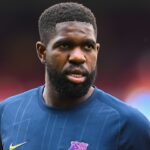


Unveiling Samuel Umtiti’s Fight: Triumphs, Injuries, and Mental Resilience
In the dynamic landscape of soccer, Samuel Umtiti‘s narrative exemplifies the blend of stellar feats and the unforgiving challenges of a professional athlete’s world, particularly with injuries and mental health hurdles reshaping a once-promising trajectory. This account delves into the ex-defender’s evolution, spotlighting his initial victories at teams such as Lyon and Barcelona, the ongoing physical obstacles that shaped his final years, and his forthright sharing of personal battles, while underscoring his lasting zeal for the sport.
Samuel Umtiti’s Rise to Prominence and Key Achievements
Launching his pro career in 2012 at the formidable Lyon squad in Ligue 1, Umtiti established a strong base during his four-year tenure before shifting to Spain to link up with Barcelona. There, he swiftly emerged as a vital asset under coach Luis Enrique, regularly appearing in matches and claiming major honors, including back-to-back La Liga titles between 2017 and 2019. During this period, he also reveled in France’s 2018 World Cup win, a moment widely regarded as the height of his career milestones.
Shifting Gears Toward Elite Performance
This era marked a time of swift advancement for Umtiti, as his protective prowess garnered broad acclaim and aided in driving his squads to supremacy across local and global competitions, merging effortless collaboration with standout individual talent on the pitch.
Coping with Ongoing Physical Setbacks
After his early momentum, Umtiti’s professional path declined due to persistent knee complications that curtailed his participation in games for both his club and country. In 2023, these problems resulted in his mutual contract termination with Barcelona, leading him back to France to join Lille. Regrettably, the same issues lingered, compelling his full retirement from athletics when he announced it in September of the present year.
Effects on Gameplay and Engagement
Following the World Cup, the player’s field time dropped notably because of these repeated health issues, as he strived hard to restore his peak condition. Conflicts emerged with Barcelona over treatment methods and the psychological weight of his ailments, fostering tensions that strained his ties with the club.
Personal Perspectives and Inner Thoughts
In his role as a DAZN analyst, Umtiti revealed in a RMC discussion: “After the World Cup, I opted to take a break and deeply assess my health to choose the most effective recovery option. The club and I had differing views on strategies, so I reached out to additional specialists for alternative insights. Most recommended avoiding surgery, and Barcelona eventually supported my choice.”
He added: “Still, certain internal dynamics arose that weren’t favorable, despite my profound respect for everyone involved. Selecting a different rehabilitation approach doesn’t signify disloyalty; it just indicated that the initial tactics weren’t working. Afterward, a separation developed, with gossip and claims surfacing that unjustly criticized me. My main goal was solely on achieving complete healing.”
Looking for smart wagering techniques? Get expert reviews, research-driven predictions, and useful advice via BALLGM Tips on Telegram. Join our thriving community now!
Delving deeper into his story, Umtiti shared: “Reflecting on it, the emotional pressure was overwhelming, possibly triggering intense bouts of depression. There were numerous barriers… I seldom went out. People thought that without online posts, I was doing nothing.” He stressed his commitment: “I endured rigorous daily exercises, at times twice or three times a day, plus tailored routines. It dominated my existence-I pulled away from my social life. Seeing how the press depicted things made me doubt their understanding, since my motivation was never about money; it was all about my love for the sport.”
“I tried following the club’s suggestions, but my knee kept inflaming. By taking a new direction, I still followed professional guidance as I’m not an expert. I explored books on my condition, cut out meat and fish from my diet, and embraced a strict anti-inflammatory eating plan that greatly lessened the inflammation. The severity of my condition demanded these adjustments, and I believe some experts didn’t meet the required standards, which is inexcusable in such a competitive field. I’ve overcome my disappointments and now feel no resentment toward anyone-I’ve reached a point of peace with it all.”
Pursuing Fresh Opportunities in Soccer
Although he’s now working as a broadcaster, Umtiti’s real ambition is in coaching, as he expressed to OLDTV: “My passion for soccer remains strong; I keep up with every match. I’ll soon start my coaching qualifications. It could take a few years, but managing a team is the key goal I’ve set for myself.” He explained that his drive comes from the wide array of experiences gained throughout his career, solidifying his dedication to staying active in the game.
The Lasting Impact of Samuel Umtiti’s Extended Injuries
Summary of Samuel Umtiti’s Health Timeline
The French defender, renowned for his exceptional play at Barcelona and for his national side, encountered a string of extended injuries that profoundly influenced his career. These, especially the repeating knee problems, left him out of action for long stretches, resulting in distress and open discussions about his difficulties.
- Major health events: Umtiti initially faced a significant knee injury in 2018, necessitating surgery and keeping him out for months. This was succeeded by further complications in 2019 and 2020, with issues that prolonged his path back to optimal health.
- Physical hardships: In contrast to simple strains, Umtiti’s conditions involved tissue damage and demanded several treatments, turning recovery into a prolonged and uncertain endeavor.
- Influence on match involvement: In his prime periods, he sat out more than 50 games due to these problems, impacting his club and international outings, such as France’s World Cup efforts.
This series of setbacks not only limited his contributions on the field but also ignited wider conversations about player wellness in intense sports like soccer.
Conflicts and Accusations with Barcelona
A highly discussed element of Samuel Umtiti’s challenges was the accusations he directed at various elements, including his choices and team administration. Umtiti candidly talked about how hurrying his return from injuries to fulfill squad needs worsened his situation, causing a clear divide with Barcelona.
- Origins of accusations: In his interviews, Umtiti acknowledged faulting himself for not valuing sustained health over immediate participation, like competing despite discomfort in pivotal games. He also criticized the club’s intense atmosphere, where winning short-term often eclipsed athlete care.
- Divide specifics: Accounts pointed out disputes with Barcelona’s medical and coaching personnel regarding care plans. For example, Umtiti voiced irritation about being rushed into competitions, which he felt aggravated his knee issue and damaged his bond with the club.
- Public consequences: This friction led to speculation about transfers and contract issues, with Umtiti associating his emotional strain to insufficient aid during recovery. Terms such as “Samuel Umtiti blame” and “rift with Barcelona” have emerged as focal points in supporter talks, highlighting the personal aspects of pro soccer.
These disclosures reveal the concealed tensions between athletes and organizations, positioning Umtiti’s experience as a warning about psychological issues in athletics.
Psychological Burdens During Rehabilitation
Samuel Umtiti’s extended injuries weren’t solely physical; they heavily affected his mental state, a subject he boldly covered in public forums. He openly described the solitude and worry that accompany inactivity, leveraging his voice to increase awareness of the mental pressures on sports figures.
- Psychological effects: Umtiti detailed sensations of despair and uncertainty during his rehab, mentioning how observing his colleagues thrive while he was absent heightened his mental challenges. The ongoing doubt about recovery schedules added to the pressure, making topics like “prolonged injuries mental health” especially pertinent.
- Elements that intensified the issue: Apart from the bodily pain, Umtiti noted the impact of online judgment and audience expectations, which amplified his feelings of fault and separation from Barcelona. He revealed that the dread of not regaining his former level caused insomnia and a dip in his enthusiasm for the game.
- Recovery methods and assistance: To tackle these obstacles, Umtiti sought professional therapy and mindfulness techniques. Below are some approaches he implemented that might assist others:
- Consistent counseling appointments to manage stress and enhance fortitude.
- Including gentle activities, such as swimming, to keep up fitness without endangering further harm.
- Forming a support system with loved ones and peers to exchange stories and alleviate loneliness.
His candor regarding mental health difficulties during injuries has initiated dialogues in the soccer world, urging more players to get help and advocating for programs like mental health seminars in athletic groups.
Advice for Players Dealing with Similar Obstacles
For competitors experiencing extended injuries, Umtiti’s insights provide crucial guidance on harmonizing physical and emotional recovery. Here’s a deeper look:
- H3: Proactive Safeguards
- Prioritize customized workout regimens that stress injury avoidance, including muscle building and agility drills.
- Schedule routine medical evaluations with a comprehensive team, comprising physical therapists and mental health experts, to spot problems early.
- H4: Optimal Rehabilitation Techniques
- Employ an all-encompassing strategy, merging healthcare with psychological aid to prevent the accusations and divisions Umtiti encountered.
- Leverage tech such as fitness trackers to oversee recovery advancement, enabling athletes like Umtiti to gauge progress without overdoing it.
- H4: Future Career Strategies
- Cultivate non-sport hobbies to sustain motivation during pauses, similar to how Umtiti involved himself in charitable work.
- Campaign for improved team guidelines on player protection, inspired by Umtiti’s narrative to encourage more compassionate leadership.
Through opening up about his path, Samuel Umtiti has not only made the trials of elite sports more relatable but also fueled greater advocacy for mental health in soccer. Conversations about “Samuel Umtiti mental health struggles” are growing, stressing the importance of continuous education and support in the sector.
This discussion illustrates how injuries can touch all facets of an athlete’s existence, making it vital for enthusiasts and experts to emphasize well-being alongside achievements.
Samuel Umtiti’s Prolonged Injuries: A Deep Dive
The Impact of Samuel Umtiti’s Injuries on His Career
Samuel Umtiti, the talented French defender known for his defensive prowess and key roles in major tournaments like the FIFA World Cup, has faced significant challenges from prolonged injuries that have shaped his professional journey. These setbacks have not only affected his physical performance but have also sparked discussions around sports injuries and player resilience in football.
Over the years, Umtiti’s injury history has been a major talking point in the football community. Starting from his time at Barcelona, where he was once a cornerstone of the defense alongside players like Gerard Piqué, his recurring knee issues forced him to miss crucial matches and even entire seasons. This pattern of prolonged injuries highlighted the physical demands of elite-level soccer and the need for better injury prevention strategies.
Key Injuries and Their Timeline
- Knee Ligament Problems: Umtiti first encountered major knee troubles in 2018, which led to multiple surgeries and extended rehabilitation periods. These injuries often stemmed from the high-intensity demands of La Liga and Champions League games.
- Recurring Setbacks: By 2020, what began as a minor issue escalated into chronic problems, with Umtiti missing over 100 games for Barcelona. Experts in sports medicine point to factors like overtraining and inadequate recovery time as common contributors.
- Recent Developments: As of 2025, Umtiti has continued to battle these issues even after moving clubs, emphasizing the long-term effects of such injuries on a player’s career longevity.
Tensions with Barcelona: Blame and Team Dynamics
In the world of professional football, tensions can arise when injuries lead to performance dips and contract disputes, and Samuel Umtiti’s situation with Barcelona is a prime example. Reports from his tenure at the club revealed underlying frustrations, with Umtiti openly discussing feelings of blame from both fans and management.
Umtiti’s comments in various interviews shed light on how his injuries strained relationships within the team. He described instances where the pressure to return quickly clashed with his actual recovery needs, leading to accusations of underperformance. This blame game often intensified during Barcelona’s tougher seasons, where the team’s defensive vulnerabilities were glaring.
Factors Fuelling the Tensions
- Contract Negotiations Gone Awry: Discussions around Umtiti’s high wages and inability to play consistently fueled debates, with some club officials questioning his commitment amid his injury struggles.
- Public and Media Scrutiny: Football media coverage amplified these tensions, with headlines focusing on how Umtiti’s absences affected team strategy and results in key competitions like the UEFA Champions League.
- Player Perspectives: In one notable discussion, Umtiti shared how the blame affected his morale, illustrating the human side of professional sports and the importance of supportive environments.
Mental Health Challenges Amid Recovery
Mental health in sports has gained attention in recent years, and Samuel Umtiti’s experiences bring a personal angle to this conversation. His prolonged injuries didn’t just impact his body-they took a toll on his mental well-being, leading to periods of isolation and self-doubt that many athletes face.
Umtiti has been candid about the psychological effects, noting how constant rehab and uncertainty about his future made him feel disconnected from the game he loves. This openness has helped normalize conversations about mental health challenges in football, encouraging players to seek support earlier.
How Injuries Affected His Mental State
- Emotional Strain: The frustration of watching from the sidelines while teammates competed fostered feelings of guilt and inadequacy, a common issue in sports psychology.
- Isolation During Rehab: Umtiti mentioned spending months in rehabilitation centers, which can lead to loneliness and anxiety, especially for high-profile athletes under constant public scrutiny.
- Coping Mechanisms: To manage this, he turned to professional counseling and mindfulness techniques, which are increasingly recommended for injury recovery in modern football.
Strategies for Mental Health Recovery in Sports
- Building a Support Network: Athletes like Umtiti benefit from working with sports psychologists who provide tailored strategies, such as journaling or group therapy sessions.
- Holistic Approaches: Incorporating yoga, meditation, and nutrition plans can enhance mental resilience, helping players like him navigate the ups and downs of a football career.
- Long-Term Wellness: Experts suggest monitoring for signs of burnout, with early interventions like regular mental health check-ins being crucial for sustained performance.
In addressing these challenges, Umtiti’s story serves as a reminder of the interconnectedness of physical and mental health in professional sports. Fans and fellow players have rallied around his journey, underscoring the evolving focus on player welfare in leagues worldwide.
The Role of Sports Science in Preventing Future Injuries
Advancements in sports science have become essential for players dealing with prolonged injuries, and Umtiti’s case highlights potential improvements. Techniques like advanced imaging for early detection and personalized training programs are now standard in top clubs to mitigate risks.
Innovative Prevention Methods
- Biomechanical Analysis: Using data from wearables and AI-driven tools, teams can identify injury-prone movements and adjust training routines accordingly.
- Rehabilitation Tech: Virtual reality simulations and AI-assisted physio sessions help athletes like Umtiti rebuild strength without overexertion.
- Nutrition and Recovery Protocols: Tailored diets rich in anti-inflammatory foods and optimized sleep schedules play a key role in speeding up recovery times.
This focus on prevention not only aids individual players but also enhances team performance, making it a hot topic in football discussions today.
Navigating Comebacks: Lessons from Umtiti’s Experience
Comebacks in football are as much about mindset as they are about physical recovery, and Samuel Umtiti’s path offers valuable insights. While setbacks are inevitable, adopting a proactive approach to both body and mind can make a difference.
Steps for Successful Rehabilitation
- Setting Realistic Goals: Breaking down recovery into achievable milestones helps maintain motivation and track progress effectively.
- Team Collaboration: Involving coaches, medical staff, and family ensures a comprehensive support system, reducing the chances of re-injury.
- Mental Preparation Techniques: Visualization exercises and positive affirmations can boost confidence, turning challenges into opportunities for growth.
Through sharing his story, Umtiti has inspired a broader dialogue on athlete mental health and injury management, influencing how clubs approach player care in the future.