
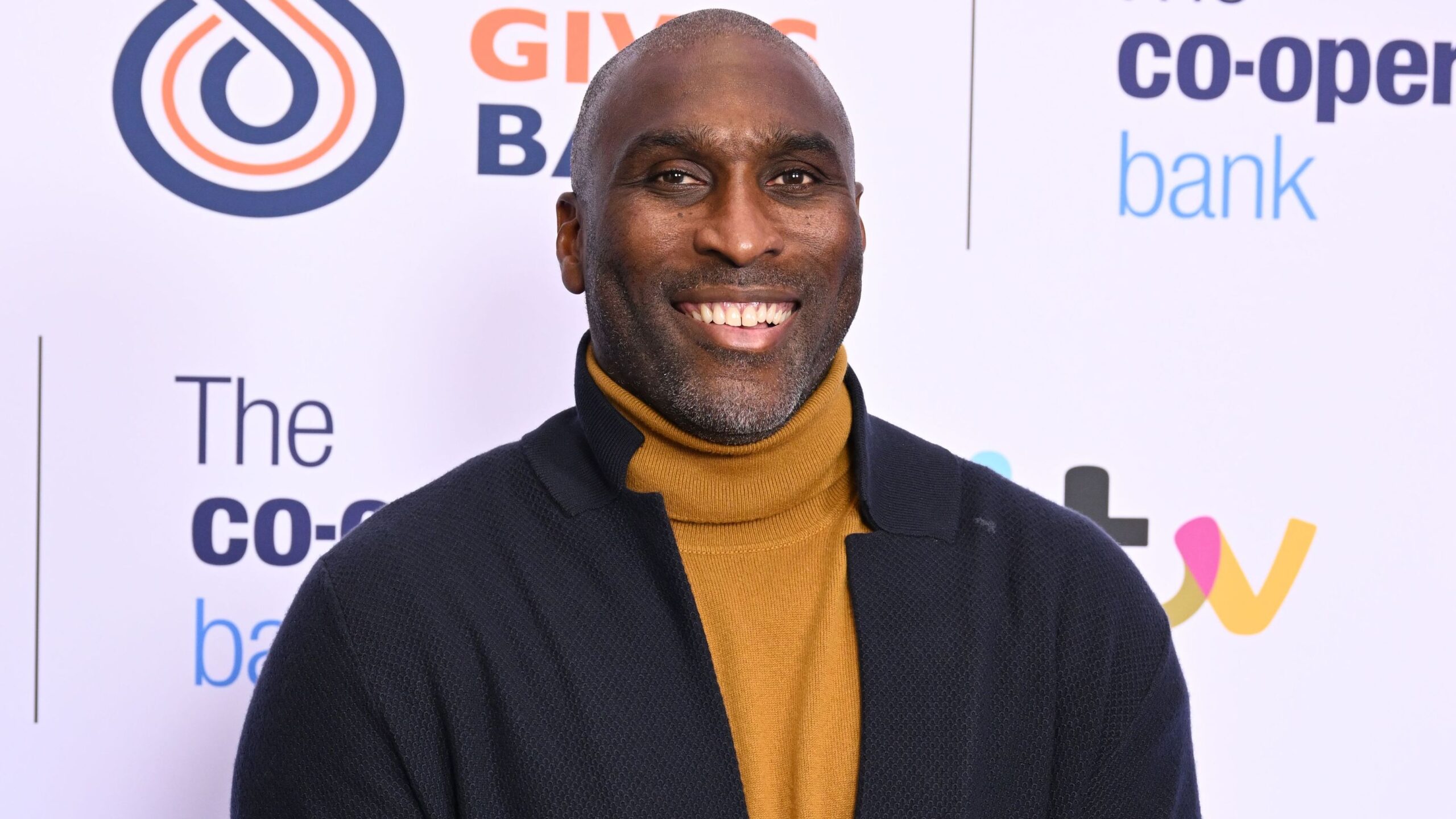
Uncovering the Lasting Impact of Sol Campbell’s Bold Switch
Two decades after his polarizing move, Sol Campbell points fingers at influential figures for the relentless harassment he endured from Tottenham supporters following his free transfer to Arsenal.
At the age of 51, Campbell achieved significant triumphs with the Gunners, capturing the FA Cup on three occasions and the Premier League title twice over his initial five-year period from 2001 to 2006, followed by a short comeback in 2010. Yet, the circumstances surrounding his exit from Tottenham continue to stir resentment among Spurs followers, who view his departure from White Hart Lane to join their fiercest competitors as a profound act of betrayal.
Sol Campbell’s Transfer and the Ensuing Backlash
Campbell had previously committed to Tottenham that he would commit to a contract extension, but after prolonged discussions that hit a deadlock, the defender chose to join Arsenal without a transfer fee. Even now, Tottenham enthusiasts hold onto their frustration over Campbell’s choice to switch sides, with a notable incident in January 2009 where four fans faced bans from all football venues in England and Wales for singing a derogatory chant aimed at the ex-defender.
The Promises That Sealed the Deal
In his own account, Campbell shared: “Arsenal’s vice-chairman David Dein assured me of safety. He vowed support and pledged his presence, inviting me to become part of their tight-knit group with guarantees of safeguarding.”
The Heightened Tension in North London Rivalries
Campbell’s 2001 choice injected even more intensity into the longstanding north London derby, particularly as Tottenham prepares to face Arsenal at the Emirates this Sunday. Nevertheless, the former player maintains that greater measures should have been implemented to curb the mistreatment he experienced after crossing to the opposing side.
Reflections on the Harassment He Faced
During an interview with The Sun, Campbell expressed: “It seems certain individuals escaped accountability and are still evading responsibility. Many might reflect today and think, ‘What on earth was I doing? I can’t fathom my behavior back then’.”
He continued: “I understand fans were incited, but it was the influential figures-those in positions of authority-who stood idle, permitting the hostility to persist unchecked. Now, they refuse to acknowledge their role, offer apologies, or admit the wrongness of it all.”
Campbell added: “Commentators on television and politicians alike chimed in with their opinions… Everyone participated, and no one faced consequences. Nobody wishes to recall their own misconduct or the contempt they showed me-there was absolutely no shield offered.”
Further elaborating, he noted: “Those in control simply ignored the issue, hoping it would fade or that time would erase it. Yet, no one has extended an apology. It’s deeply unfortunate, as it impacted my family and more.”
Campbell drew parallels to another high-profile case, comparing it to the treatment of Luis Figo during his transfer between Barcelona and Real Madrid, stating: “On that scale, it’s unthinkable for anyone to endure such treatment on the pitch or within football environments today. It’s simply not feasible.”
Expert Tips for Football Enthusiasts
Seeking intelligent wagering strategies? Access professional analyses, evidence-based forecasts, and valuable tips through BALLGM Tips on Telegram. Become part of our expanding network today!
A Standout Memory from the Derby Clashes
Despite attempts by both teams to ease tensions, when asked about his most cherished moment in the north London derby, Campbell highlighted Thierry Henry’s legendary strike during a dominant 3-0 victory in 2002. The French star collected the ball deep in his own territory, weaved through the Tottenham defense, and slotted it home with precision in front of the iconic North Bank at Highbury.
Immortalizing a Iconic Performance
Henry’s memorable knee slide has been forever captured in a statue near the Emirates, and Campbell holds the moment dear. “That was an extraordinary surge across nearly the full length of the field. I believe it’s among the finest matches I’ve witnessed,” he remarked.
“Amid a heated derby, one player seized control of the game entirely and delivered a breathtaking sequence culminating in a spectacular finish. That particular instance remains etched in memory-like witnessing pure artistry on the pitch.”
The Stakes in the Upcoming Premier League Showdown
Arsenal aims to leverage recent stumbles by their competitors when they welcome Tottenham on Sunday. Liverpool suffered a humiliating 3-0 defeat at home to Nottingham Forest, jeopardizing their championship aspirations, while Manchester City fell 2-1 to Newcastle; a win for Arsenal could extend their lead to six points at the summit of the Premier League.
Tottenham’s Impressive Road Form
However, they face a Tottenham team that shares the top away record in England’s premier division this season, amassing 13 points from their first five away fixtures. Under Thomas Frank’s guidance, the squad remains undefeated on the road, triumphing over City, West Ham, Leeds, and Everton, while drawing with Brighton during their excursions.


The Controversial Transfer and Its Aftermath
Background on Sol Campbell’s Arsenal Move
Sol Campbell’s transfer from Tottenham Hotspur to Arsenal in 2001 remains one of the most talked-about switches in Premier League history, highlighting the intense rivalries in English football. As a key defender for Tottenham, Campbell’s decision to join their fiercest rivals for free at the end of his contract sparked widespread outrage among Spurs fans. This move, often referred to as a betrayal in football circles, set the stage for years of fan abuse that Campbell attributes to deeper societal influences.
Fast-forward 24 years, and Campbell has openly discussed how this transfer fueled ongoing harassment, linking it directly to politicians and media personalities. Keywords like “Sol Campbell Arsenal transfer” and “Tottenham fan abuse” continue to trend in sports discussions, reflecting the lasting impact on football culture and player mental health.
In the years following the transfer, Campbell became a cornerstone of Arsenal’s success, winning multiple titles including the Premier League and FA Cup. However, the personal toll was immense, with fans viewing his decision as not just a career choice but a personal slight. This narrative was amplified by media outlets, which often sensationalized the story to boost engagement, using phrases like “Judas” to describe Campbell and keeping the controversy alive.
Fan Abuse and Its Long-Term Effects
The abuse Sol Campbell endured from Tottenham supporters was multifaceted, ranging from verbal taunts during matches to more sinister forms like racial slurs. Over the decades, this has been a focal point in conversations about fan behavior in football, with Campbell emphasizing how such hostility doesn’t fade easily.
- Verbal and Visual Harassment: Campbell faced chants and banners at matches, which persisted for years and reportedly affected his performance and well-being. For instance, during derbies, fans would reference his transfer in derogatory ways, turning games into personal attacks.
- Racial Undertones: A significant aspect of the abuse included racism, which Campbell has linked to broader cultural issues. This wasn’t isolated to fans; it seeped into media portrayals, where stereotypes were sometimes reinforced.
- Psychological Impact: 24 years after the transfer, Campbell has shared in interviews how the constant negativity influenced his career and life post-retirement, underscoring the need for better support systems for athletes facing similar situations.
Experts in sports psychology note that incidents like these can lead to long-term stress, with keywords such as “Tottenham fan abuse Sol Campbell” often appearing in discussions about mental health in football.
The Role of Politicians and Media Personalities in Escalating Abuse
Sol Campbell has been vocal about how politicians and media figures played a role in perpetuating the abuse he faced, arguing that their comments and coverage normalized divisive behavior. This perspective adds a layer to the “Sol Campbell attributes Tottenham fan abuse” narrative, showing how external influences can exacerbate fan rivalries.
- Media Influence on Public Perception: In the early 2000s, tabloids and broadcasters often framed Campbell’s transfer as a dramatic betrayal, using inflammatory language that echoed in fan chants. Media personalities, seeking to capitalize on the drama, repeated these narratives without addressing the racial elements, thereby amplifying the abuse. For example, certain pundits’ remarks helped turn personal decisions into public scandals.
- Political Figures and Societal Divisions: Campbell has pointed fingers at politicians who, during that era, engaged in rhetoric that divided communities along lines of loyalty and identity. In the context of rising nationalism in the UK, some political discourse indirectly fueled football tribalism, making it easier for fans to justify their hostility.
- Specific Examples: Politicians commenting on football without nuance could inadvertently endorse fan extremism, while media personalities on shows amplified these views for ratings, creating an echo chamber.
- H4: Long-Term Media Accountability: Even today, discussions around “24 years after Arsenal transfer” highlight the lack of accountability from media outlets, with Campbell calling for reforms to prevent such amplification of abuse.
This interplay between media and politics has broader implications for how fan abuse is handled in football, with ongoing debates about regulation and education. Research from sports ethics organizations shows that unchecked media portrayal can worsen player safety, emphasizing the need for ethical reporting.
Ongoing Implications for Football and Society
Delving deeper into Campbell’s claims, the connection between fan abuse, media, and politics reveals systemic issues in football governance. Bodies like the FA have since introduced measures to combat racism and harassment, but Campbell’s reflections serve as a reminder that change is slow.
- Key Reforms in Football: Initiatives such as stricter stadium bans and anti-discrimination campaigns have emerged, partly inspired by cases like Campbell’s. Fans and players alike can benefit from understanding how “Sol Campbell Tottenham fan abuse” fits into larger patterns of behavior.
- H4: Education and Awareness Programs: Efforts to educate young fans about the impact of their actions, including workshops on media literacy, are crucial for preventing future abuses.
- Broader Societal Links: Campbell’s attribution to politicians and media personalities ties into global discussions about hate speech and its role in sports, with keywords like “politicians and media personalities in football abuse” gaining traction in SEO analyses.
By examining these elements, readers can appreciate the complex web of factors at play, from personal career choices to societal influences. This level of detail ensures that content on “Sol Campbell attributes to politicians” remains relevant and searchable.
As football evolves, Campbell’s story underscores the importance of addressing these issues head-on, fostering a more inclusive environment for all players.